Poster and campaign designers
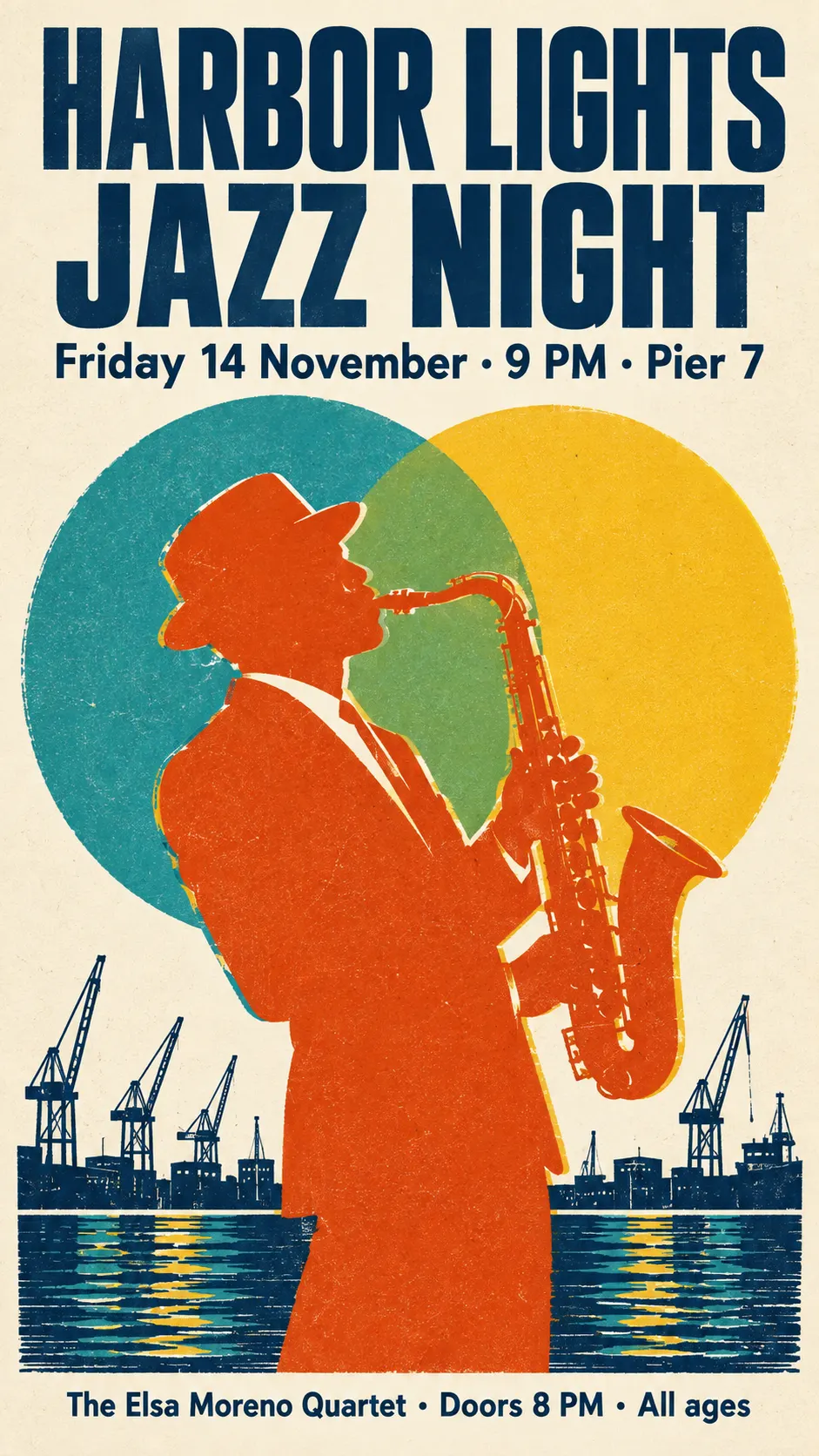
Headline, sub-line and small print all come out readable, so a first draft is close to a layout you can send for review. Localise the same poster into three languages without rebuilding it.
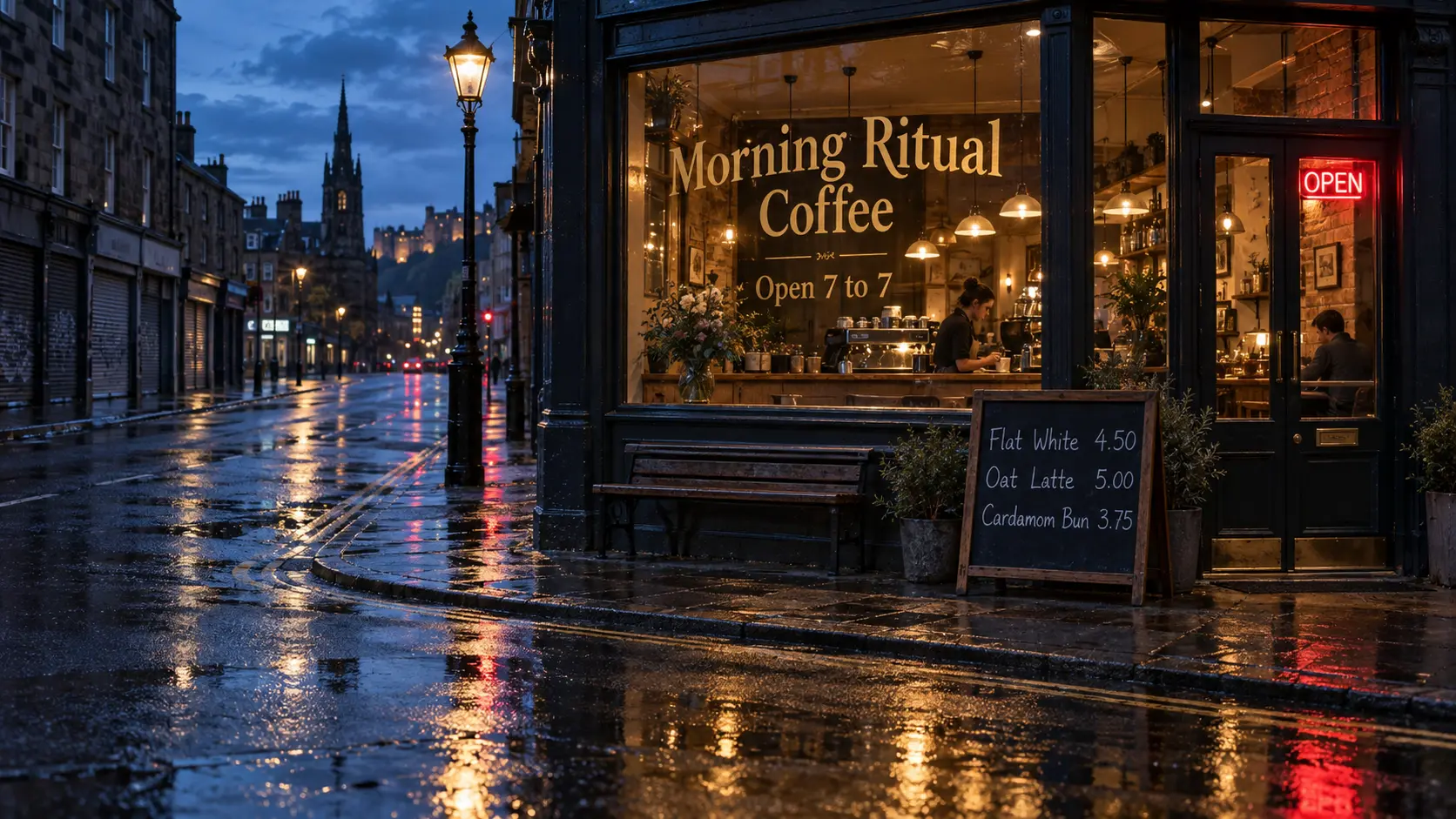
Nano Banana Pro is Google's Gemini 3 Pro Image model: it reasons through the prompt, writes legible text in many languages, and renders at 1K, 2K or 4K. Pick it in the generator below; new accounts get 20 free credits, and a 1K or 2K image costs 8.
GALLERY


Feature 01
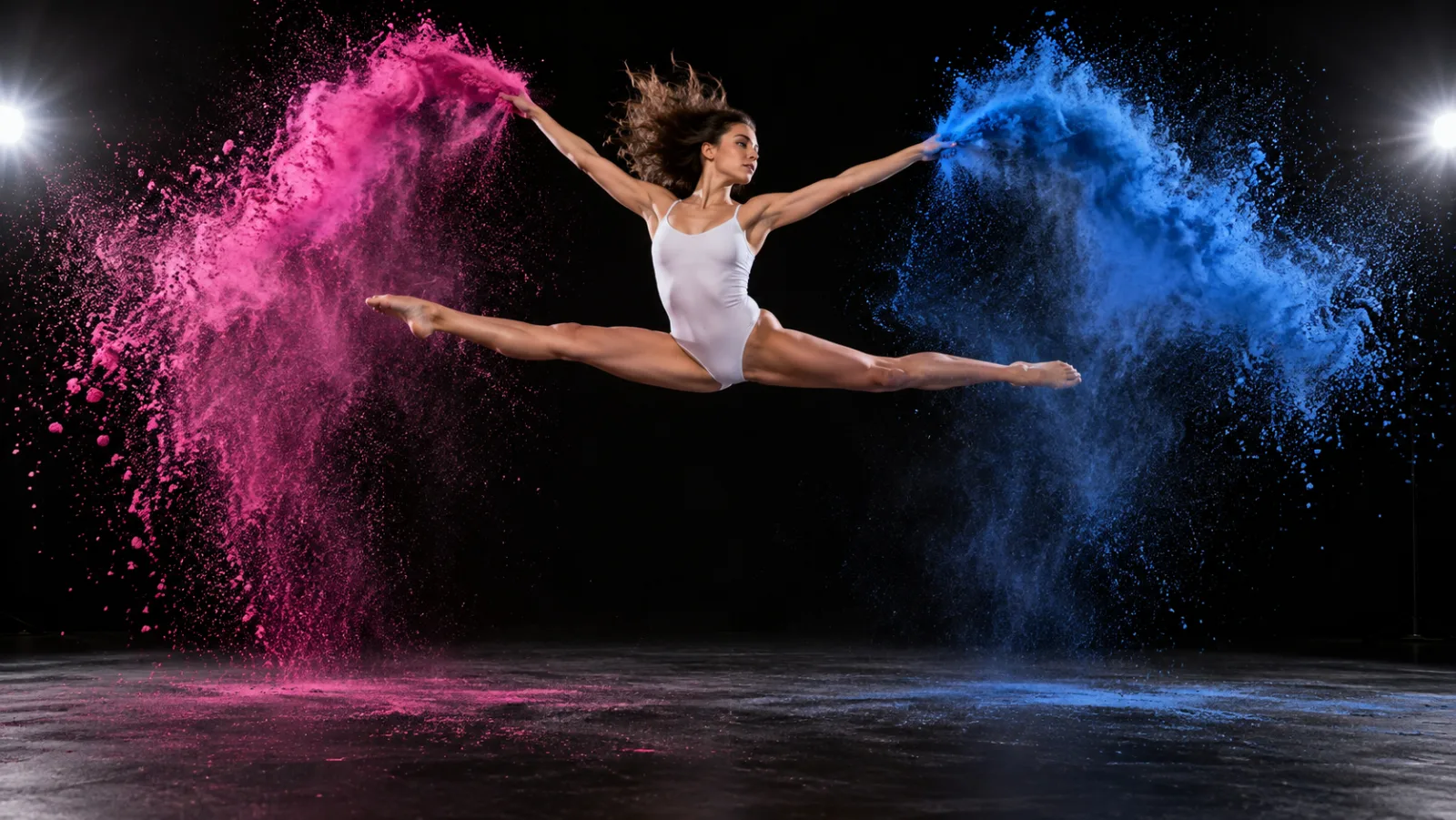
Nano Banana Pro is built on Gemini 3 Pro, and it inherits that model's reasoning. Every request goes through a thinking pass first: Google's API documentation says this step is on by default and cannot be switched off, and the interim draft images it produces are not billed. In practice a long Nano Banana Pro brief with five subjects, a camera angle and a colour rule comes back with each part in place, instead of the two or three details a lighter model tends to keep.
Feature 02
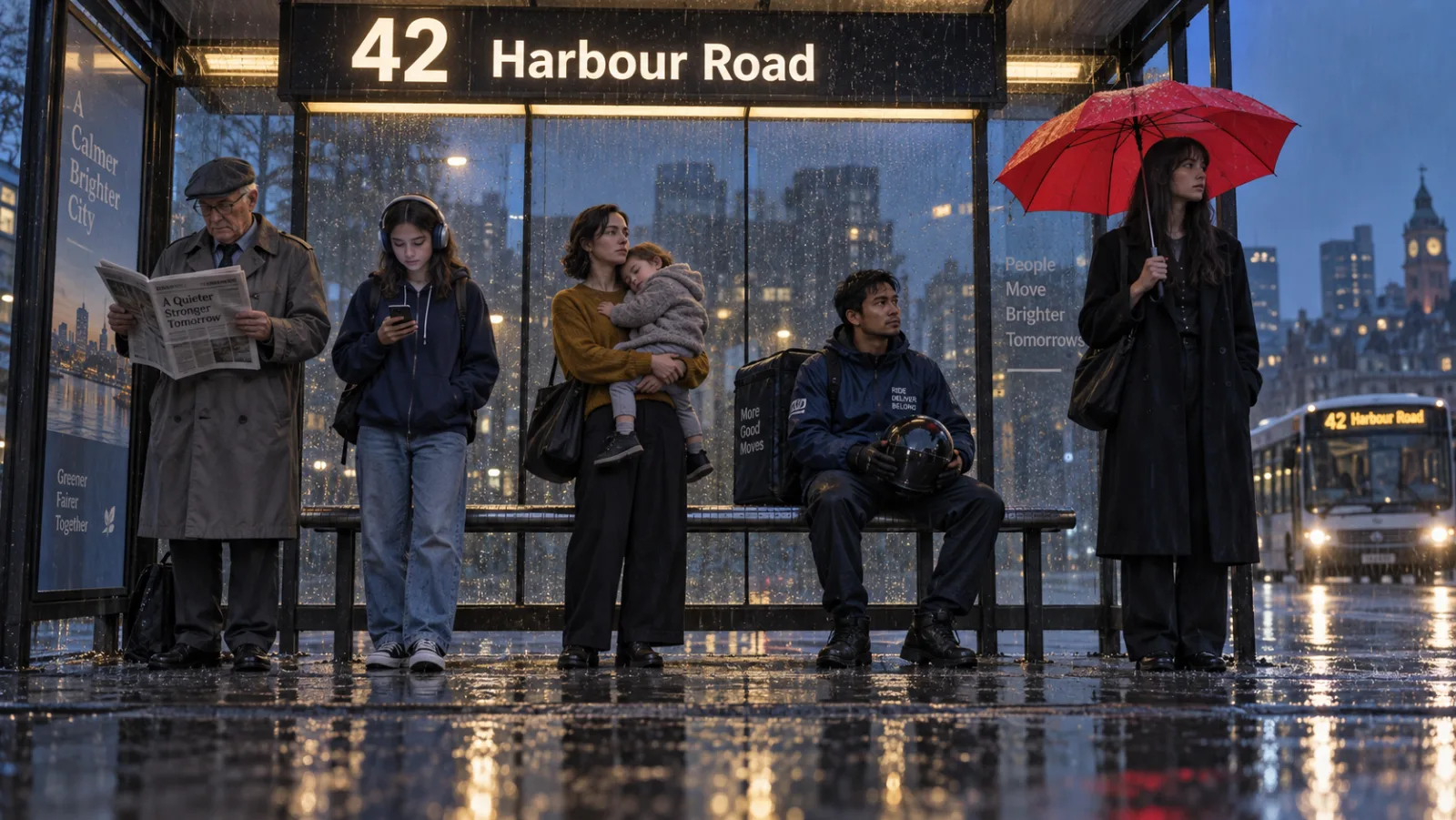
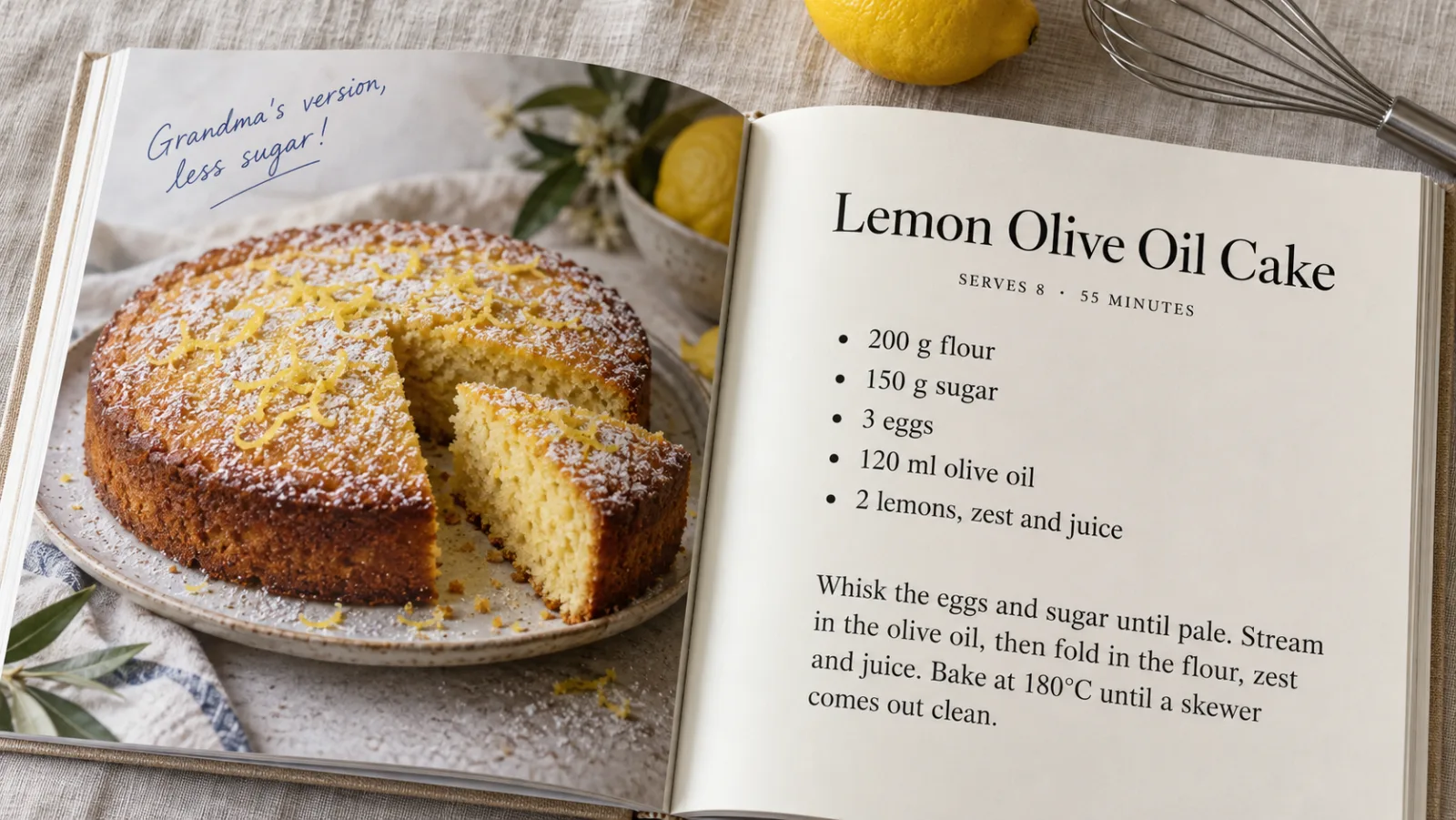
Google calls Nano Banana Pro its best model for correctly rendered, legible text inside an image, whether the copy is a three-word tagline or a whole paragraph. You can ask for a specific font style, calligraphy, or handwriting, and you can translate the text already in an image into another language while the layout stays put. That makes Nano Banana Pro the model to reach for when a poster, a menu, or a packaging mockup has to ship in several markets.
Feature 03
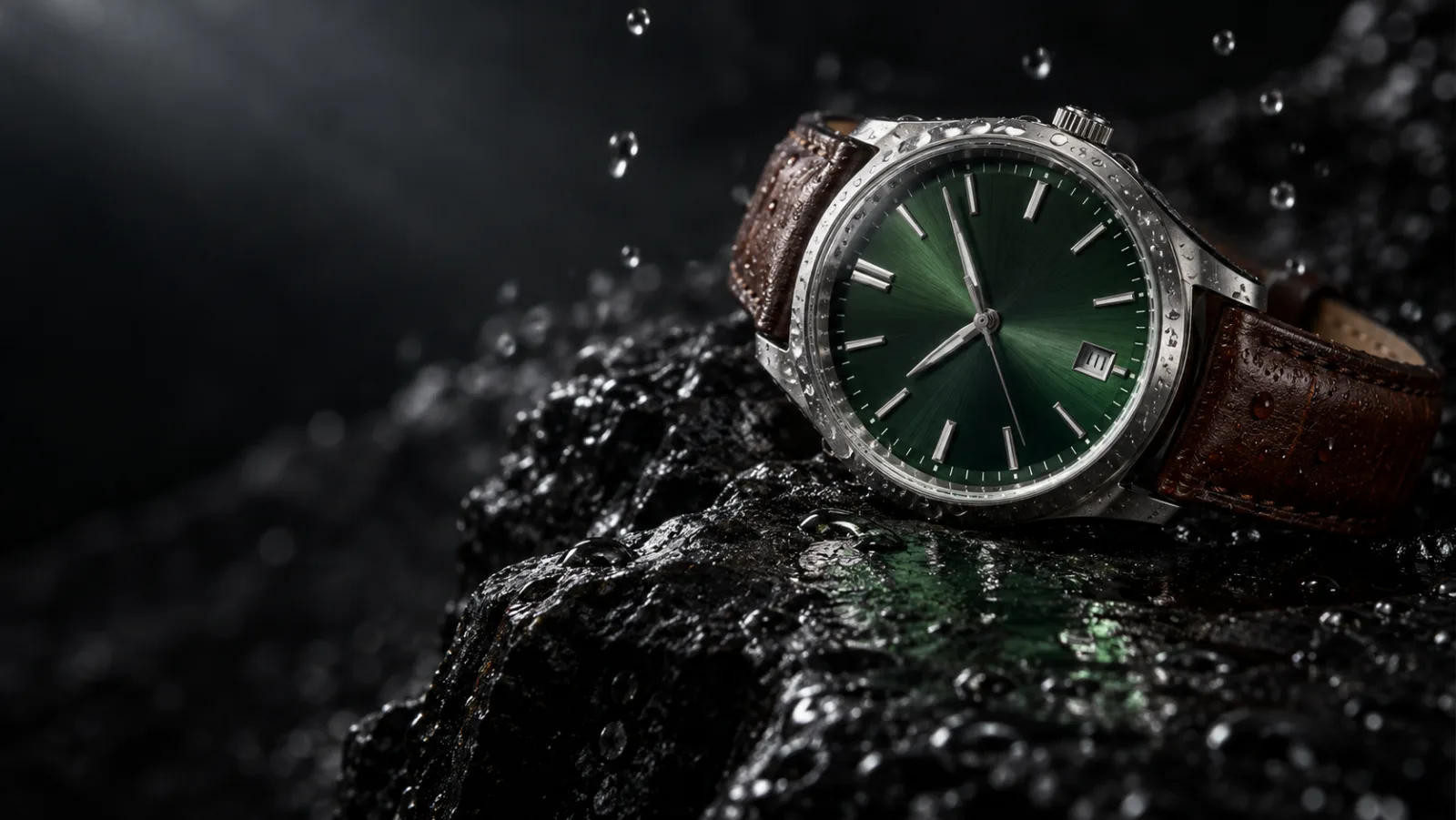
You can turn day into night, add a bokeh background, or push harsh chiaroscuro light across a face while the subject keeps their features. Google lists colour grading, light direction and focus changes among the Pro-level creative controls, and the reasoning pass keeps shadows falling the way the light source says they should. For product shots this means one base photo can become a sunset, a studio and a neon-street version without a reshoot.

Feature 04
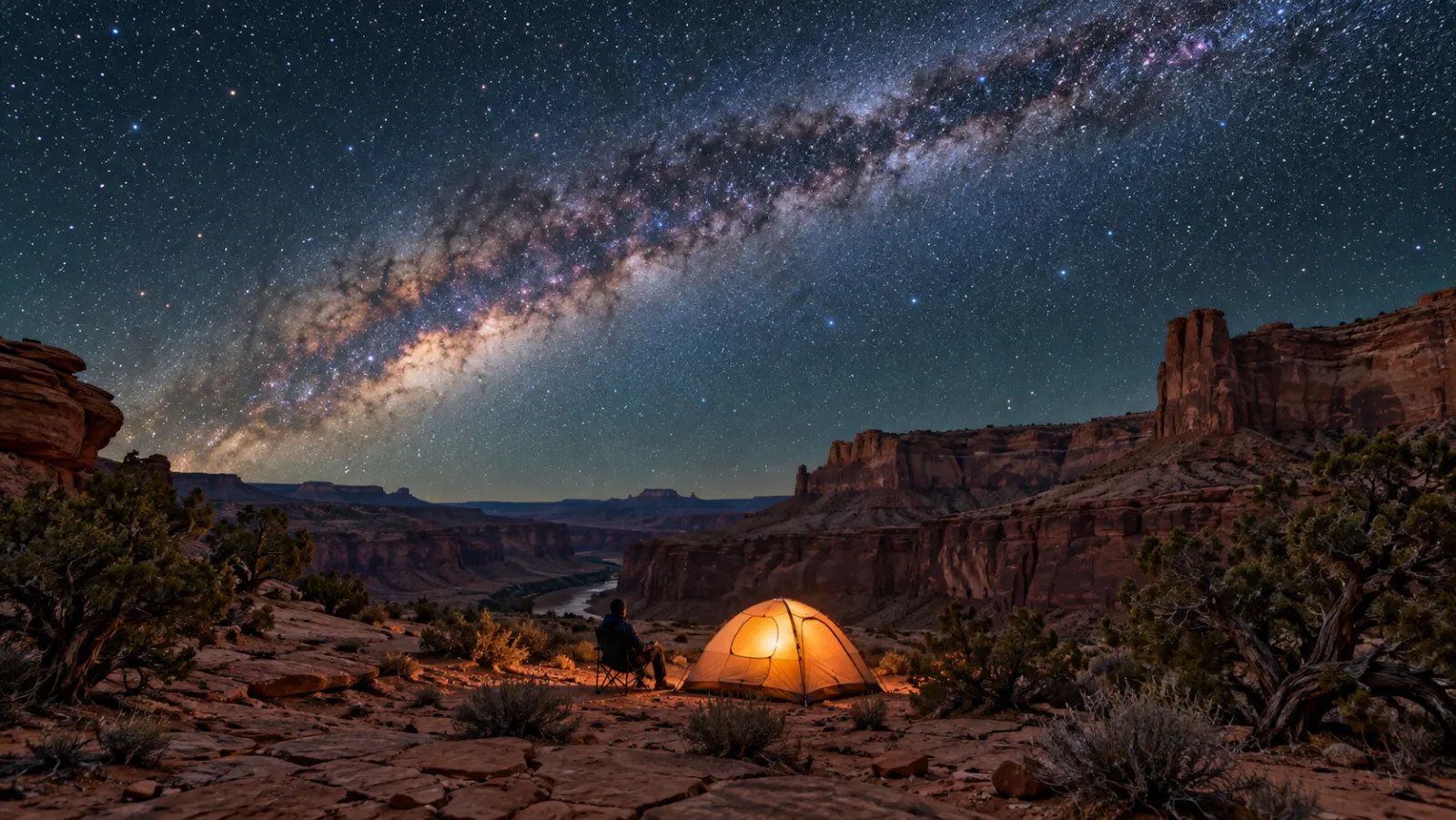
Wide angle, panoramic, close-up, a shallow depth of field on the flowers in the foreground: Nano Banana Pro follows camera language the way a photographer would. It also supports localized editing, so you can select one area of the frame and change only that part. Adapting the same scene from a 16:9 banner to a 9:16 story is a prompt, not a redesign.

Feature 05
Google documents 1K, 2K and 4K as native output sizes for Nano Banana Pro, so the 4K file is generated at that size rather than stretched afterwards. On Ricebowl the Nano Banana Pro 1K and 2K tiers cost the same 8 credits and 4K costs 14. There is no reason to render at 1K here: 2K is free extra detail. Keep 4K for print, large displays, or any image you expect to crop.
Feature 06
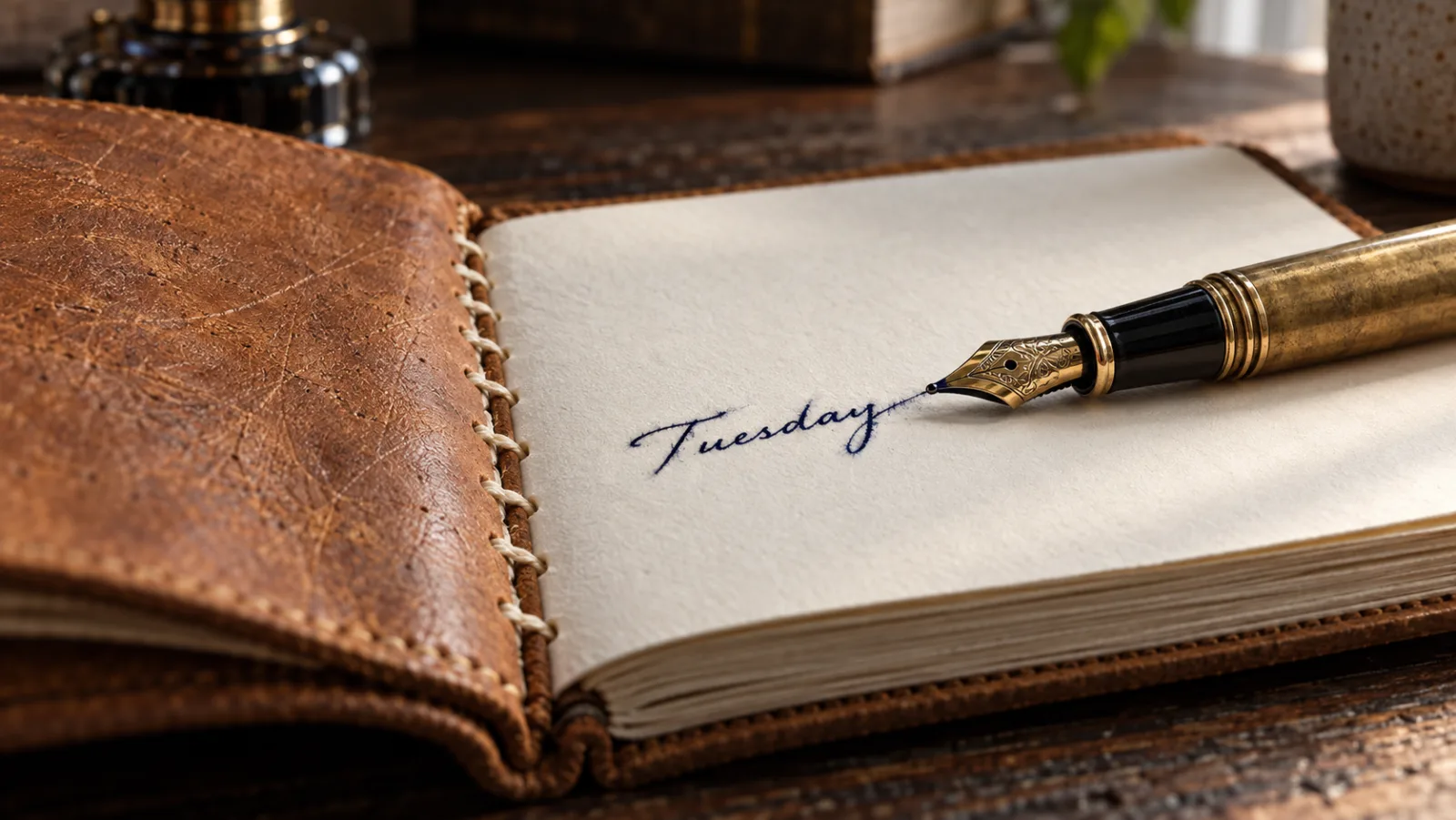
Google built Nano Banana Pro to blend up to 14 input images in one composition and keep the resemblance of up to five people. That is how a sketch becomes a product render, or six separate portraits become one group editorial. One honest note: the model accepts 14 images through Google's API, while the Ricebowl uploader currently takes up to 8 references per generation. Eight covers a face, an outfit, a product and a location with room to spare.

PROMPT EXAMPLES
Prompt
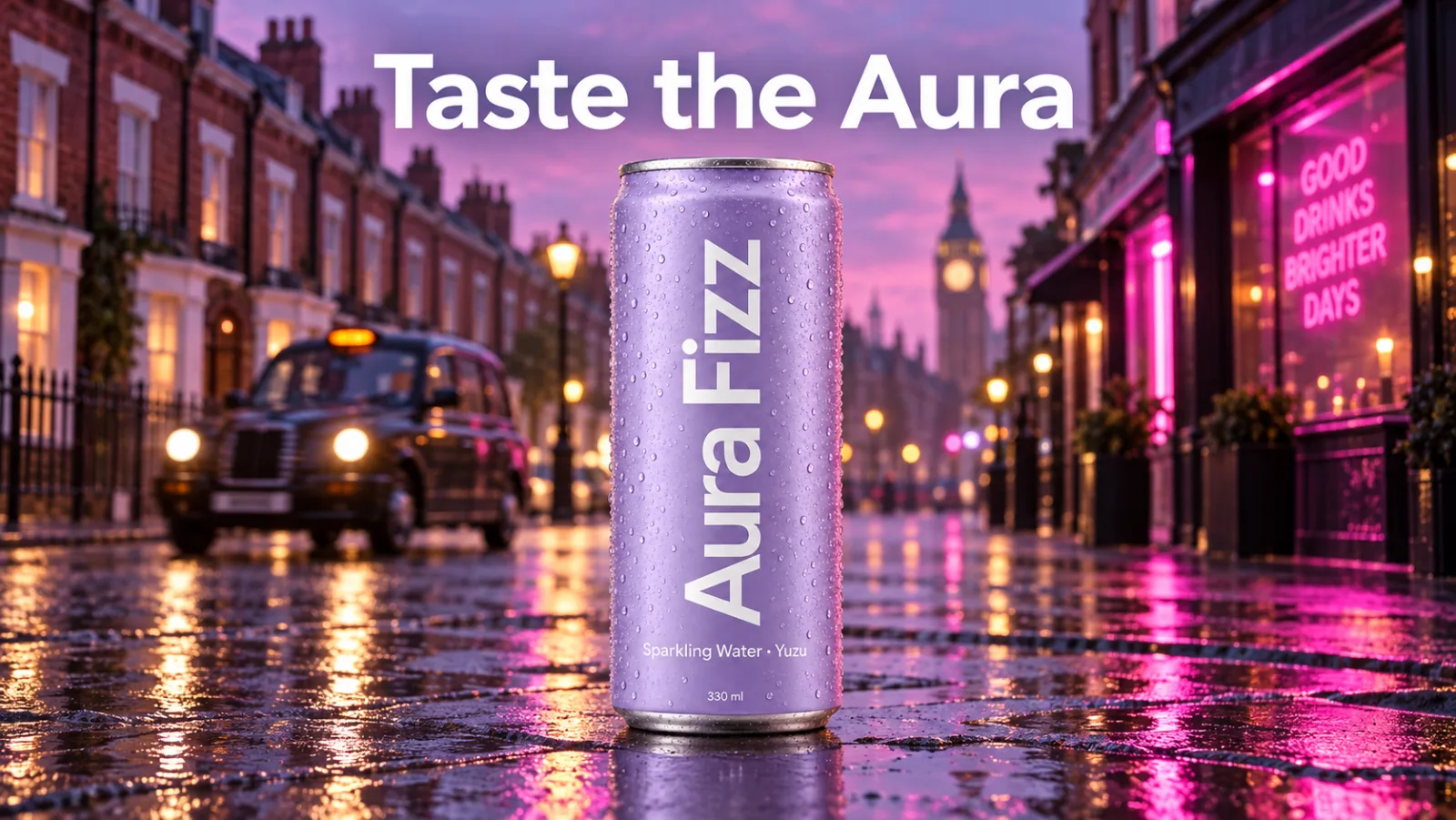
Poster ad for a sparkling water called 'Aura Fizz' on a London street at dusk with neon reflections. Tagline 'Taste the Aura' in a clean sans-serif, minimalist can in the centre, 16:9.
Reference
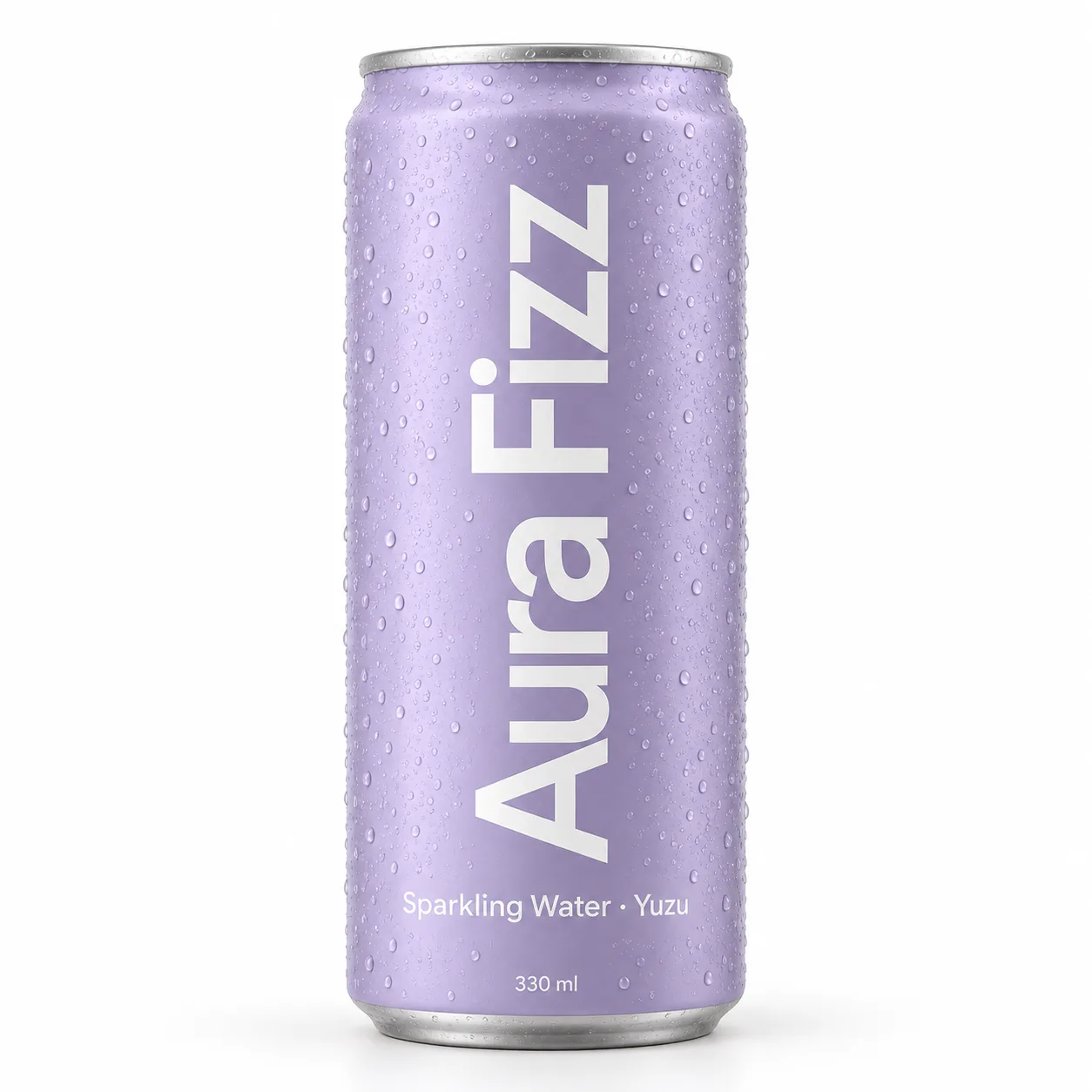
Result
Prompt
Keep the product exactly as it is in the reference. Relight the scene from bright daylight to blue-hour evening, add warm practical lights in the background and a shallow depth of field, 16:9.
Reference

Result

USE CASES
Headline, sub-line and small print all come out readable, so a first draft is close to a layout you can send for review. Localise the same poster into three languages without rebuilding it.
The model draws on Gemini's world knowledge to turn notes into diagrams, recipes into step-by-step cards, and live data such as weather into a chart. Check the facts before publishing, as Google itself advises.
Upload the product once, then relight it, re-stage it and re-frame it for every channel. Brand details stay consistent across the batch, which is what a catalogue needs.
Turn a hand sketch or a blueprint into a photorealistic render, then keep the design locked while you try different materials, times of day and camera angles.
Translate the text inside an existing visual and keep the product, the model and the layout the same. One master image becomes a set of market-ready versions in minutes.
WHAT USERS SAY
01
The recurring comment is that posters and labels come out spelled correctly often enough to use, including longer lines of copy that older models turned into noise.
02
The reasoning pass costs time. People who iterate fast drafts switch to Nano Banana 2 for exploration and come back to the Pro model for the final frame.
03
Day-to-night and light-direction changes keep the subject intact, which is the edit photographers ask about first.
04
Infographics look authoritative, which is exactly why Google tells users to verify data-driven output. Treat numbers in a generated chart as a draft.
WHAT SETS IT APART
01
Only for print, big screens and heavy crops. On Ricebowl a 4K render is 14 credits against 8 for 2K, a 75% premium. A social feed compresses everything to a fraction of 2K anyway, so 4K there is money spent on pixels nobody sees. Render at 2K by default, which costs the same as 1K, and switch to 4K for the one file that goes to the printer.
02
Since February 2026 the Gemini app uses Nano Banana 2 by default, and only Google AI Pro and Ultra subscribers can reach the Pro model through the regenerate menu. On Ricebowl you select Nano Banana Pro directly in the model picker and pay per image in credits.
03
Google's own model guide describes it as the premium choice for the most complex visual tasks, with the highest level of world knowledge, advanced localization and precise creative control in the family.
OUR TAKE
On Ricebowl, Nano Banana Pro is not the expensive option. It costs the same 8 credits as Nano Banana 2 at 1K and is cheaper at 2K (8 vs 12) and 4K (14 vs 18). Use Pro for every final image at 2K or 4K. Use Nano Banana 2 only when you are iterating quickly and want Flash speed or its image-search grounding.
Nano Banana Pro. Google positions it as its best model for legible text from a tagline to a paragraph, with in-image translation. OpenAI's own documentation still lists precise text placement as a GPT Image limitation. For a single-line title or label, GPT Image 2 is the steadier pick, and for text that must sit at an exact position, Ideogram 4. Pro is also cheaper on Ricebowl at 2K (8 vs 10 credits) and 4K (14 vs 16).
Not by default. Start every job at 2K, which costs the same as 1K. Turn on 4K only for print, signage or a crop you already know you need. That single rule saves 6 credits on every image that never leaves a screen.
COMPARISON
| Feature | Nano Banana Pro | Nano Banana 2 |
|---|---|---|
| Underlying model | Gemini 3 Pro Image | Gemini 3.1 Flash Image |
| Released | November 20, 2025 | February 26, 2026 |
| Google's positioning | Premium tier for complex, high-fidelity work | Go-to all-rounder, Flash speed |
| Output sizes | 1K, 2K, 4K | 1K, 2K, 4K (512px via API) |
| Ricebowl credits (1K / 2K / 4K) | 8 / 8 / 14 | 8 / 12 / 18 |
| Google API price per image | $0.134 (1K/2K), $0.24 (4K) | $0.067 (1K), $0.101 (2K), $0.151 (4K) |
| Search grounding | Google Web Search | Google Web and Image Search |
| Reference images on Ricebowl | Up to 8 | Up to 8 |
| Best for | Final assets, text-heavy posters, localisation | Fast drafts and high-volume iteration |
Both models run on Ricebowl. Switch between them in the model picker above; API prices are Google's published Gemini API rates and are listed for reference only.
Try Nano Banana Pro Free01
The generator at the top of this page is already set to Nano Banana Pro. Create a free account: it comes with 20 credits, and a 1K or 2K image costs 8, so the gift covers two images with no card required.
02
Write the subject, the shot, the lighting and any text that must appear, in quotes. Add up to 8 reference images for faces, products or style, and pick 1:1, 16:9 or 9:16.
03
Pick 2K for screens or 4K for print, then press generate. The finished image lands in your feed and downloads straight from the card.
REVIEWS
Notes from people who use Google's Pro image model for client work.
 Hannah Weiss
The label copy comes out spelled right, so my mockups go to the client without a retouch pass.
Packaging designer
 Omar Haddad
We localise one master poster into Arabic, French and English. The layout stays, only the words change.
Agency art director
 Sofia Marques
Relighting a daylight shot into an evening scene used to be a reshoot. Now it is one sentence.
Product photographer
 Kenji Watanabe
I feed it my sketch and a material board and get a render I can show in the first meeting.
Architectural visualiser
 Grace Okafor
Our explainer graphics come out clear and readable. We still check every number, but the layout work is done.
Content lead, edtech
One balance, every model. Credits work across all 19 video models — no watermark, no tier-locked models, commercial use on every paid plan.
Save 30% billed annually
Pay yearly and save more.
Enough credits to try every model and finish a few clips each month.
$19.9/mo$29.9
Billed yearly at $238.8. Renews yearly, cancel anytime.
Save $120/yr vs monthly
12,000 credits
≈ 38–600 videos, depending on the model
≈ 857–4000 images, depending on the model
1.99¢ / credit
2 parallel tasks
Steady output for solo creators going pro — every model, a comfortable budget.
$34.9/mo$49.9
Billed yearly at $418.8. Renews yearly, cancel anytime.
Save $180/yr vs monthly
24,000 credits
≈ 76–1200 videos, depending on the model
≈ 1714–8000 images, depending on the model
1.75¢ / credit
3 parallel tasks
High-volume production for prolific creators and small teams.
$62.9/mo$89.9
Billed yearly at $754.8. Renews yearly, cancel anytime.
Save $324/yr vs monthly
60,000 credits
≈ 190–3000 videos, depending on the model
≈ 4285–20000 images, depending on the model
1.26¢ / credit
5 parallel tasks
Flexible monthly subscription.
Enough credits to try every model and finish a few clips each month.
$29.9/mo
Renews monthly, cancel anytime.
1,000 credits
≈ 3–50 videos, depending on the model
≈ 71–333 images, depending on the model
2.99¢ / credit
2 parallel tasks
Steady output for solo creators going pro — every model, a comfortable budget.
$49.9/mo
Renews monthly, cancel anytime.
2,000 credits
≈ 6–100 videos, depending on the model
≈ 142–666 images, depending on the model
2.50¢ / credit
3 parallel tasks
High-volume production for prolific creators and small teams.
$89.9/mo
Renews monthly, cancel anytime.
5,000 credits
≈ 15–250 videos, depending on the model
≈ 357–1666 images, depending on the model
1.80¢ / credit
5 parallel tasks
Top up credits valid for 12 months.
One-time top-up — perfect for occasional needs.
$49.9
One-time purchase, valid 12 months.
1,000 credits
≈ 3–50 videos, depending on the model
≈ 71–333 images, depending on the model
4.99¢ / credit
Larger top-up with 20% bonus — best per-credit value for one-time buyers.
$198
One-time purchase, valid 12 months.
4,800 credits
≈ 15–240 videos, depending on the model
≈ 342–1600 images, depending on the model
4.13¢ / credit
5 parallel tasks
What the model is, what it costs on Ricebowl, and how it compares with Nano Banana 2.
Try Nano Banana Pro FreeYou can try Nano Banana Pro for free. New Ricebowl accounts get 20 free credits on sign-up, and a 1K or 2K image costs 8 credits, so your first two generations need no card. After that you pay per image with credits from a plan or a top-up. Google's own Gemini app limits the Pro model to paid Google AI Pro and Ultra subscribers.
It is the nickname of Gemini 3 Pro Image, the image generation and editing model Google DeepMind released on November 20, 2025. Built on Gemini 3 Pro, it reasons about the prompt before rendering, writes legible text in multiple languages, blends many input images, and outputs at 1K, 2K or 4K.
Three things: text that stays legible from a short tagline to a full paragraph, studio-style controls over lighting, focus and camera angle, and the deepest world knowledge in Google's image family. Google describes it as the premium choice for the most complex visual tasks.
Sign up on Ricebowl, open this page and generate with the model that is already selected. The 20 sign-up credits cover two 1K or 2K images at 8 credits each. You do not need a Gemini subscription, a Google Cloud project or an API key.
On Ricebowl, use Pro for final images at 2K or 4K: it costs 8 and 14 credits against 12 and 18 for Nano Banana 2. Use Nano Banana 2 when speed matters more than the last bit of fidelity, or when you want Google Image Search grounding, which only the Flash model adds.
Yes, and it is the main reason people pick it. Put the exact words in quotes in your prompt, name the font style you want, and say where the text goes. It can also translate text that is already inside an image while keeping the design.
1K, 2K and 4K, all generated natively. On Ricebowl 1K and 2K both cost 8 credits and 4K costs 14. Aspect ratios in the Ricebowl generator are auto, 1:1, 16:9 and 9:16.
Up to 8 per generation on Ricebowl. Google's API accepts up to 14 inputs for this model and keeps the resemblance of up to five people; Ricebowl's uploader is capped at 8 for now.
Google embeds an invisible SynthID watermark in every image its Gemini image models create, so the output can be identified as AI-generated. There is no visible logo on the image.
Right here on Ricebowl. The generator at the top of this page runs Nano Banana Pro, your first image is covered by sign-up credits, and the same workspace also runs Nano Banana 2, Nano Banana 2 Lite, GPT Image 2 and 30+ other image and video models, so you can compare results without switching sites.
RELATED
MORE MODELS
Legible text, relighting in a sentence, and 2K for the price of 1K.
Try Nano Banana Pro Free20 FREE CREDITS ON SIGN-UP · 8 CREDITS PER 2K IMAGE · 1K / 2K / 4K · UP TO 8 REFERENCES
Try Nano Banana Pro for Free
Try Nano Banana Pro Free